
Modern skincare is an exercise in complexity. Walk down any beauty aisle and you are met with thirty-ingredient formulas, synthetic fragrances, and stabilizers designed to keep a bottle "fresh" on a shelf for three years.
Your skin doesn't need a lab experiment. It needs recognition.
Beef tallow is the ultimate ancestral skin food. It is biologically compatible with human skin in a way that plant oils simply aren't. But as tallow goes mainstream, the quality gap is widening. Most commercial tallow is over-processed, nutrient-stripped, and essentially "dead" by the time it reaches your face.
If you want the healing benefits of this ancient fat, you have to know what to look for. Not all tallow is created equal.
The Biocompatibility Factor: Why Tallow Works
Your skin’s outer layer is a lipid barrier. It’s composed primarily of sebum: the oily secretion that keeps your skin waterproof and protected.
The molecular structure of beef tallow is strikingly similar to human sebum. This isn't a coincidence. It’s biology. Because of this similarity, your skin recognizes tallow. It doesn't sit on the surface like a heavy mineral oil or a synthetic silicone. It integrates.
Tallow contains a dense profile of fat-soluble vitamins: A, D, E, and K. These are the building blocks of healthy skin. When you use high-quality tallow, you aren't just moisturizing. You are feeding the lipid barrier.
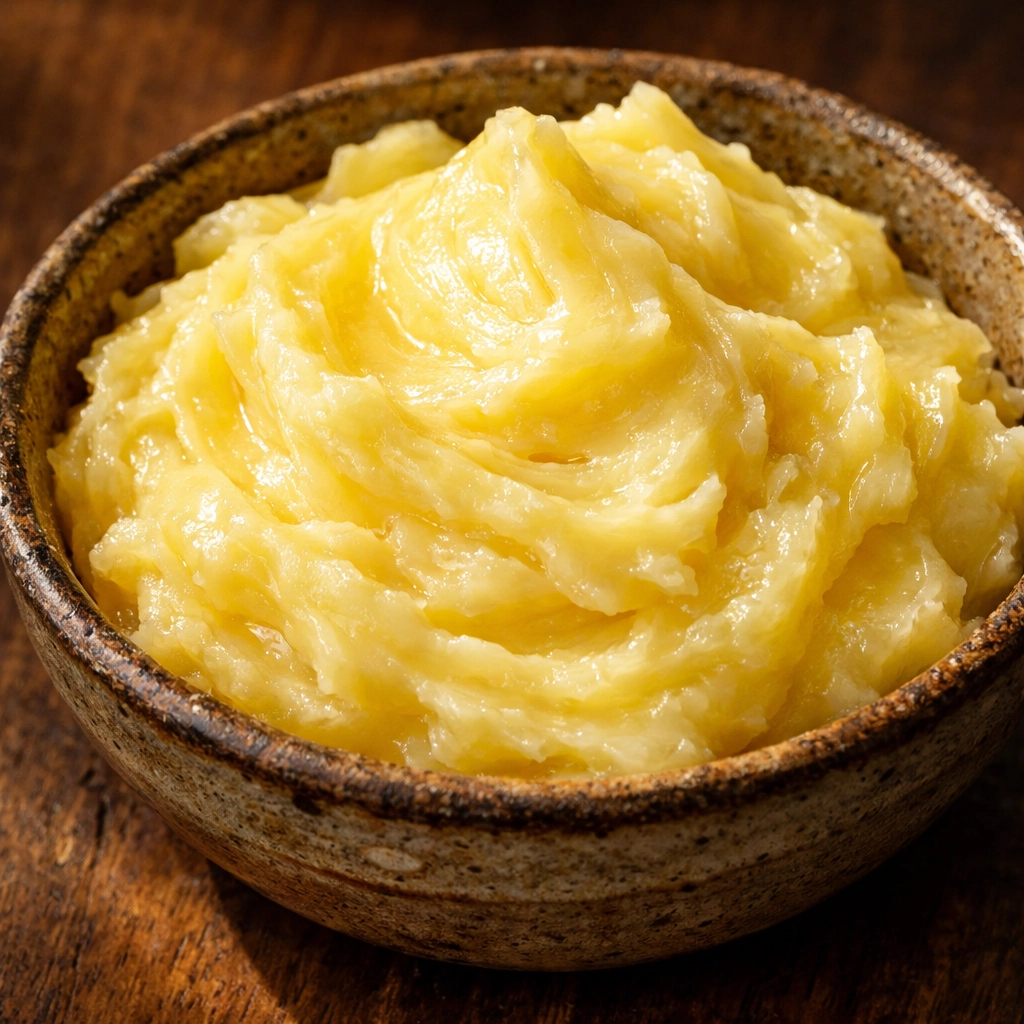
Visual: A close-up of raw, golden tallow showing a dense, creamy texture, shot in natural sunlight.
Grass-Fed vs. Grain-Fed: The Nutrient Gap
The most important factor in choosing tallow is the life the animal lived.
Grain-fed cows, typically raised in feedlots, produce fat that is high in inflammatory Omega-6 fatty acids. The nutrient density is low. The fat is often yellowed or off-white, reflecting a diet of corn and soy.
Grass-fed and finished cows are different. When a cow grazes on pasture, it accumulates Conjugated Linoleic Acid (CLA) and a balanced ratio of Omega-3 to Omega-6 fatty acids.
- CLA: A potent anti-inflammatory that helps with redness and skin repair.
- Omega-3s: Essential for maintaining the skin’s elasticity and moisture levels.
- Vitamins: Grass-fed fat is significantly higher in Vitamin A (retinol) and Vitamin E.
No hormones. No antibiotics. Humanely raised. This is the foundation of effective skincare. If the brand doesn't explicitly state "100% Grass-Fed and Finished," it’s likely grain-fed waste from the industrial food system.
Learn more about why the source matters at nectrskin.com/why-tallow.
Why 'Shelf-Stable' Often Means 'Dead'
The biggest lie in the skincare industry is that a long shelf life equals a better product.
In nature, nutrients are volatile. They react to light, heat, and oxygen. To make a product shelf-stable for 24 months, manufacturers often use two methods: high-heat refining and chemical preservatives.
The Problem with Refining
Commercial tallow is often bleached and deodorized. They use extreme heat and chemicals like hexane to remove the natural "beefy" scent and create a pure white, odorless paste.
This process kills the vitamins. It oxidizes the fragile fatty acids. You are left with a biologically inert fat. It might feel "clean" and look pretty in a jar, but the healing properties are gone. It’s dead weight.
The Preservative Trap
True, raw tallow can go rancid if exposed to water or extreme heat over time. To prevent this, many brands add synthetic stabilizers (like parabens or phenoxyethanol). These chemicals disrupt your endocrine system and irritate the very skin barrier you’re trying to fix.
At NECTR, we prioritize nutrient density over shelf-life. We use raw, minimally processed fats. We don't bleach. We don't deodorize with chemicals.
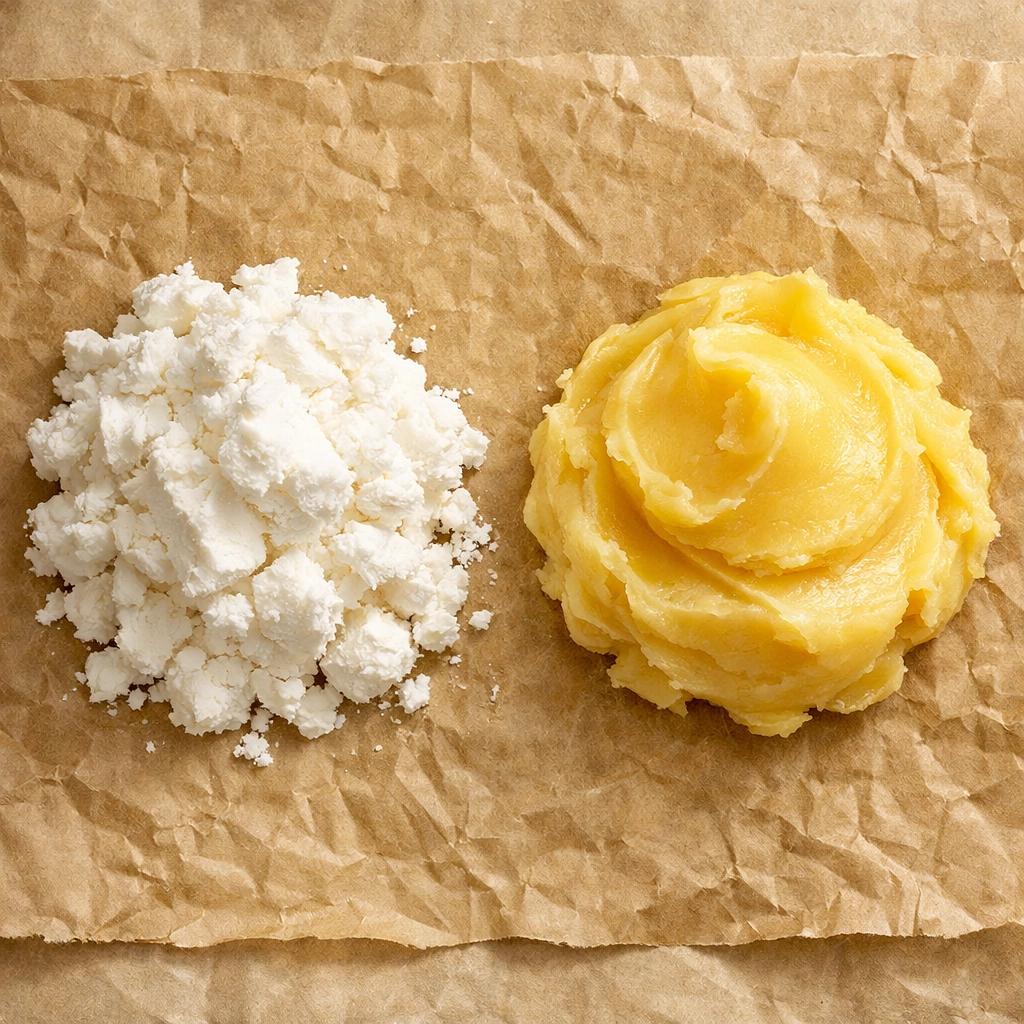
Visual: A side-by-side comparison of white, processed industrial tallow versus golden, nutrient-rich grass-fed tallow.
Wet Rendering vs. Dry Rendering: The Craft
The way tallow is extracted from the suet (kidney fat) determines its final quality.
Dry Rendering: This involves heating the fat directly. If the temperature gets too high, the fat burns. The nutrients degrade. This is the "fast" way used by industrial suppliers.
Wet Rendering: This uses water and low temperatures to gently separate the fat from the impurities. It’s a slow, labor-intensive process. It preserves the integrity of the vitamins and prevents oxidation.
We believe in the slow way. It’s the only way to ensure the molecular structure of the lipids remains intact. Anything else is just shortcutting your results.
The Ingredients Label: Less is More
If a tallow balm has twenty ingredients, it isn't a tallow balm. It’s a chemical cream with a hint of tallow for marketing.
A high-quality balm should be minimalist. Tallow should be the first ingredient. If it's mixed with cheap seed oils (like sunflower or canola oil), put it back. Seed oils are highly unstable and prone to oxidation, which causes cellular damage when applied to the skin.
We pair our tallow with raw honey: another ancestral powerhouse. Honey is a natural humectant, meaning it draws moisture into the skin. Together, they create a synergistic "seal and heal" effect.
Check our full list of transparent ingredients here: nectrskin.com/ingredients.
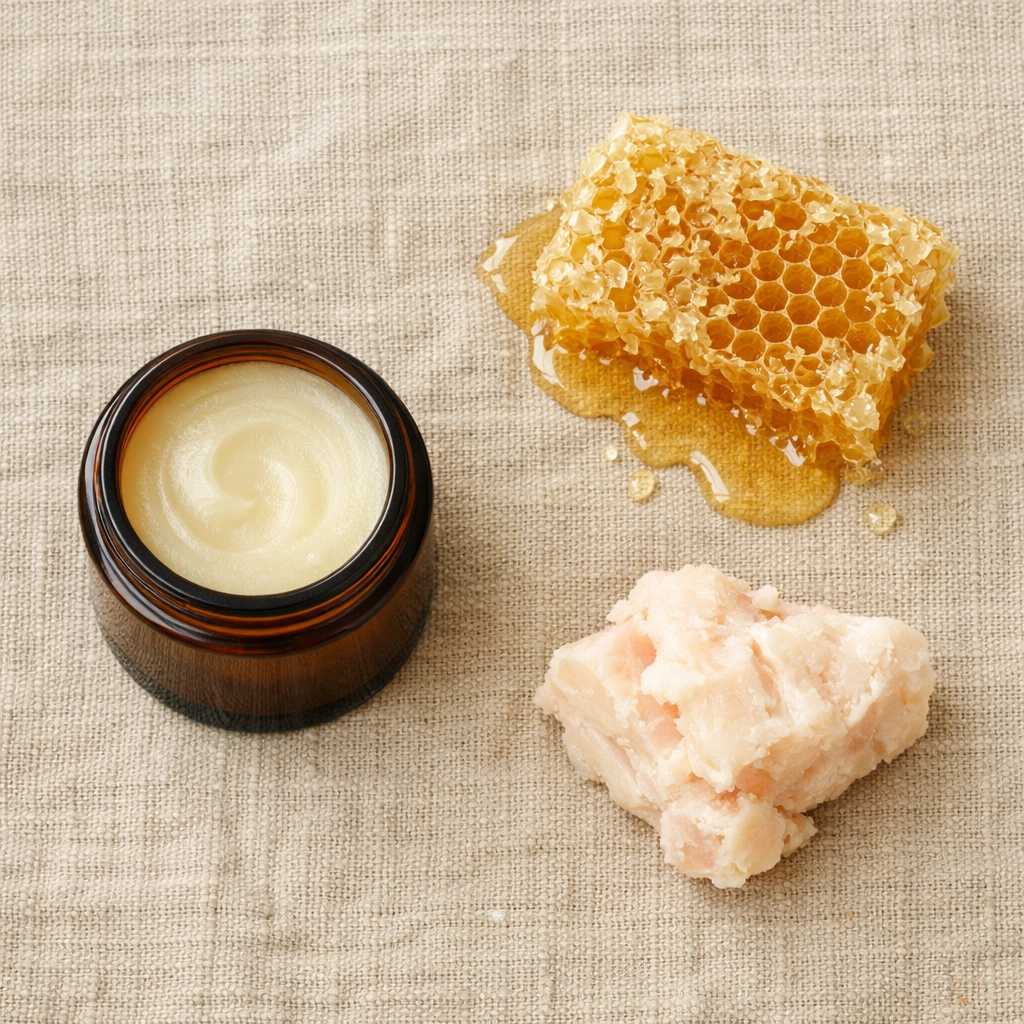
Visual: A minimalist flat lay of a glass jar of NECTR balm next to a honeycomb and a piece of raw suet.
How to Spot High-Quality Tallow: A Checklist
When you are shopping for your next jar, look for these markers of quality:
- Color: It should be slightly golden or creamy, not stark white.
- Scent: It should have a faint, earthy, or sweet smell. If it smells like nothing at all, it’s likely been chemically deodorized.
- Texture: It should be dense and firm at room temperature, but melt instantly on contact with your skin.
- Packaging: Look for glass. Plastic leaches endocrine disruptors into the fats.
The skincare industry thrives on your confusion. They want you to believe you need a different cream for your eyes, your neck, and your hands. You don't. You need one biologically appropriate fat that your skin knows how to use.
The NECTR Standard
We don't make products for the masses. We make products for people who value biological truth over marketing fluff.
Our tallow is sourced from regenerative farms. It is rendered at low temperatures to keep the nutrients alive. We don't use fillers. We don't use "fragrance" (which is usually a cocktail of phthalates).
We keep it raw. We keep it real.
If you are ready to stop guessing and start feeding your skin, our Tallow & Honey Balm is the place to start.
NECTR Tallow & Honey Balm : $42
Shop the Collection
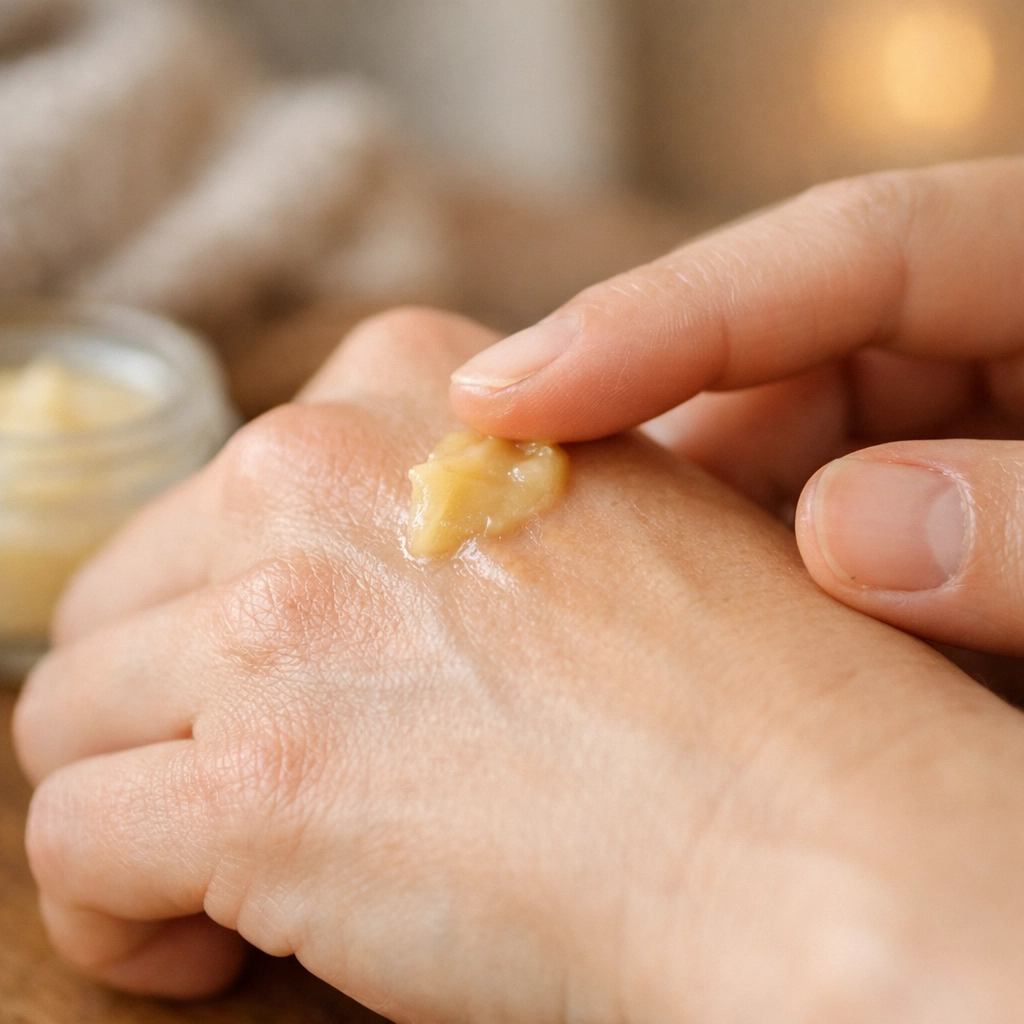
Visual: A hand applying a small amount of golden balm to dry knuckles, showing immediate absorption and a natural glow.
Final Thoughts: Return to Reality
Choosing the right tallow is a choice to return to what has always worked. Before the rise of the petroleum-based beauty industry, our ancestors used animal fats to protect themselves from the elements.
They didn't have "shelf-stable" chemicals. They had fresh, nutrient-dense food for their skin.
Your skin is a living organ. Don't feed it dead ingredients. Demand grass-fed. Demand raw. Demand transparency.
For more information on our process or to see our sitemap of educational resources, visit nectrskin.com/sitemap.xml or reach out to us directly at nectrskin.com/contact.


